Orange County Pro Locksmith Service Team
Local locksmith team
Apr 6, 2026 11 min read
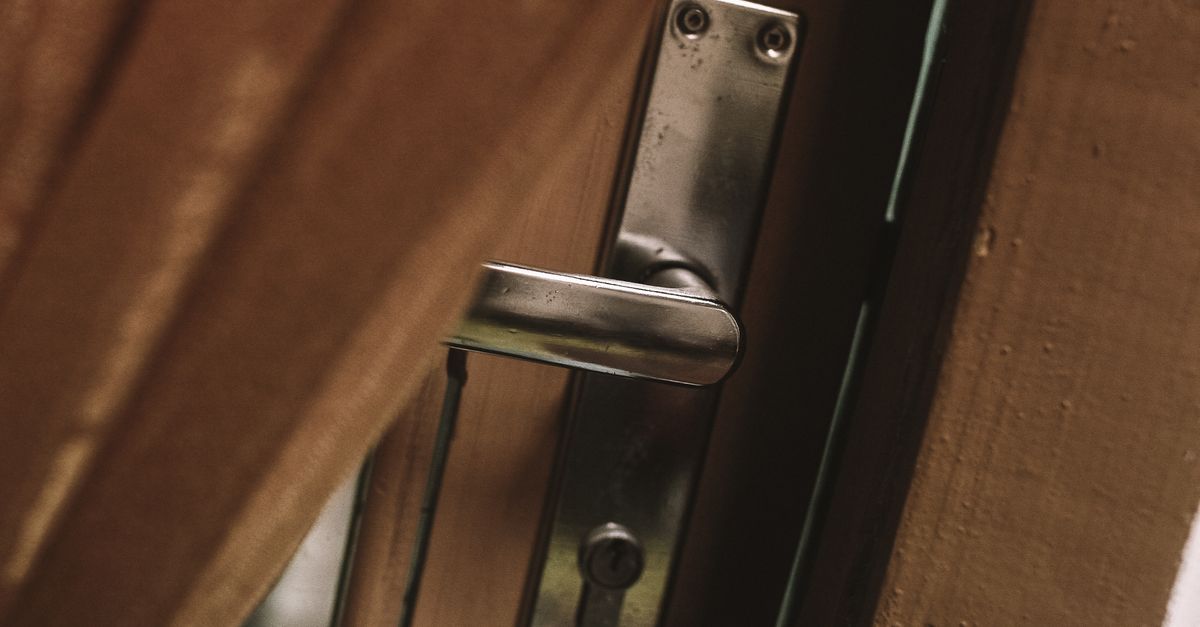
If your mortise lock suddenly refuses to latch, turns with grinding resistance, or leaves your door hanging open no matter how many times you slam it, you're not alone — and you may not need a locksmith visit just yet. Mortise locks are the beefy, rectangular mechanisms set deep into the edge of a door, and they're common on older homes, commercial buildings, and upscale entry doors throughout the Goshen area. Because they have more moving parts than a standard cylindrical knob lock, they also have more ways to misbehave.
This guide walks you through the most common reasons a mortise lock set fails to latch or turn — and the DIY checks you can do before picking up the phone. That said, some problems really do need a trained hand. When yours turns out to be one of them, Orange County Pro Locksmith is on call 24/7 at (845) 534-6899, serving Goshen, NY and the surrounding Hudson Valley communities.
## What Is a Mortise Lock — and Why Does It Fail?
A mortise lock is a complete locking mechanism — latch bolt, deadbolt, strike plate, and internal cam assembly — that fits inside a rectangular pocket (the 'mortise') cut into the door stile. Unlike a simple door knob lock that mounts on the surface, a mortise lock set is essentially a miniature machine inside your door. That engineering depth is why they're prized on exterior doors, historic properties, and commercial entries: brands like Baldwin mortise lock hardware and Corbin Russwin mortise lock systems have built reputations on decades of heavy-duty performance. But 'more parts' also means more wear points, and even quality hardware eventually needs attention.
The most common failure modes fall into four buckets: mechanical wear, misalignment between the door and frame, a seized or corroded mortise lock cylinder, and — increasingly — firmware or sensor issues on smart mortise lock models. We'll walk through each one so you can diagnose before you decide whether this is a Saturday afternoon fix or a call to a professional locksmith.
## Mortise Lock Won't Latch: Door Alignment and Strike Plate Issues
The single most common reason a mortise lock refuses to latch has nothing to do with the lock itself — it's the door. Wood doors in the Hudson Valley absorb humidity, especially after a wet spring or a harsh winter off the Catskills. When a door swells or sags, the latch bolt no longer lines up with the strike plate mortised into the door frame. You'll often hear a scraping sound as the door closes, or feel the latch 'bounce' instead of clicking home. Check by closing the door slowly and watching where the latch tip meets the strike plate. If it's hitting the lip instead of dropping cleanly into the hole, alignment is your problem.
The fix can be straightforward: loosen the strike plate screws, shift the plate slightly up or down (use the shiny rub mark on the plate as your guide), and retighten. If the gap is larger — more than ¼ inch off — the door hinges may need adjustment or the hinge screws may need longer replacements to bite into solid wood again. If the door itself has warped significantly, that's a carpentry issue that no lock adjustment will cure long-term. When alignment work starts requiring door planing or major hinge shimming, it's worth having a qualified locksmith assess whether the door is even worth re-mortising before you invest further.
## The Mortise Lock Turns Stiffly or Not at All: Internal Mechanism Causes
When the handle or thumb turn moves but the latch or deadbolt doesn't follow — or when turning the knob feels like stirring concrete — the problem is usually inside the lock body itself. Several things can cause this: a broken or worn cam (the small lever inside that translates handle rotation into bolt movement), a snapped spindle, dried-out or contaminated lubricant, or a mortise lock cylinder that has seized due to rust or a bent key. On older Corbin Russwin mortise lock hardware or vintage Baldwin mortise lock sets common on historic Goshen-area properties, internal parts can simply fatigue after decades of use.
Start with lubrication. Use a dry graphite spray or a PTFE-based lubricant — never WD-40, which attracts grime and gums up fine tolerances over time. Spray into the keyway, work the key in and out, and cycle the handle a dozen times. If the action improves but still feels rough, the cam or spindle may be worn and need replacement. To inspect further, you'll need to remove the lock face plate (the rectangular plate on the door edge secured by two screws), slide the lock body out of the mortise, and examine the internal cam. If you see cracked plastic, a bent metal cam, or a sheared spindle, those parts need replacing — and sourcing correct parts for older or premium lock sets often requires a skilled locksmith who stocks or can order the right components. If this sounds like your situation right now, call us at (845) 534-6899 — we carry a wide range of mortise lock parts on our mobile units.
## Mortise Lock Cylinder Problems: Keys, Wear, and Security Upgrades
The mortise lock cylinder is the removable plug that your key turns — it threads or clips into the lock body and can usually be replaced without pulling the entire lock set. Cylinder problems show up in a few ways: the key turns but nothing moves (broken cam coupling), the key is hard to insert or turn (worn tumblers or a damaged key), or the key turns freely with no resistance at all (sheared retaining clip or stripped cam). If a key broke off inside the cylinder, do not try to fish it out with a pin or probe unless you can see it clearly protruding — pushing it deeper makes professional extraction harder and risks damaging the cylinder body.
When the cylinder itself is the culprit, replacement is often the smarter call over repair. A fresh, high-security cylinder upgrade — think anti-pick, anti-drill pin stacks — is also a good opportunity to rekey your locks if you've recently moved into a home on, say, Murray Avenue or anywhere along Route 17M where older properties often have decades of key history floating around. Smart mortise lock conversions are another option worth considering: several manufacturers now offer drop-in cylinder replacements that add keypad or app-based access while keeping your existing mortise lock set hardware intact. Our team handles cylinder swaps, rekeying, and smart lock integration as part of our everyday commercial locksmith and residential services.
## When DIY Isn't Enough: Emergency Locksmith Services and What to Expect on a Service Call
Some mortise lock failures genuinely require professional tools and experience: a completely frozen lock in sub-zero temperatures, a snapped key wedged past the shear line, a lock body that has physically separated from the door pocket, or a smart mortise lock flashing a fault code after a power surge. If you're locked out entirely, the safety-smart move is to check for a spare key with a trusted neighbor, try another entry point you're authorized to use, or call a qualified locksmith — not to attempt forcing the door, which risks damaging the door stile, the lock pocket, and potentially injuring yourself.
People often ask: what is a locksmith call-out fee, how much does an emergency locksmith cost near me, or whether it's cheaper to go to a locksmith or a dealer for smart lock service? The honest answer is that pricing depends on several real factors — the specific lock type and brand, the time of day (overnight and weekend calls carry different rates than mid-morning weekday visits), travel distance to your location, and whether replacement parts are needed on the spot. There's no meaningful answer to 'who is the cheapest locksmith' because rock-bottom pricing often signals unlicensed operators with no accountability. What we can promise is transparency: before any work begins, we give you an exact, confirmed price — no surprises when the job is done. For context on what shapes a quote (and what a locksmith call-out fee covers), those factors — lock complexity, parts, timing, distance — are what any honest locksmith should walk you through up front. Call (845) 534-6899 any time — we answer 24/7, and our mobile units serve Goshen and the broader Orange County area around the clock.
## Our Full Range of Locksmith Services — From Mortise Locks to Smart Home Security
Orange County Pro Locksmith handles far more than a stuck mortise lock. Whether you're a homeowner near the Legoland New York resort in Goshen who's had a long day and locked your keys in the car, a property manager maintaining a commercial building on Main Street, or a business owner upgrading to high-security hardware, our mobile team brings the right tools to your door. Here's a snapshot of what we do every day across the Goshen, NY area:
Residential services: mortise lock repair and replacement, door knob lock installation and rekey, deadbolt installation, smart lock setup and troubleshooting, home lockout response, master key system design, sliding door lock repair, window lock installation, garage door lock service, lock upgrade consultation, and key copies for home (standard, high-security, and restricted keyways). Commercial services: commercial locksmith services for office and retail, panic bar and exit device installation, access control system installation, master key and grand master key systems, mortise lock set installation on exterior doors, mailbox and cabinet lock service, safe installation and combination changes, and rekeying after employee turnover. Automotive services: car lockout response, key fob programming, transponder key cutting, ignition lock cylinder replacement, broken car key extraction, and duplicate car key cutting for most makes and models — including proximity/smart keys. Specialty services: emergency locksmith response 24/7, lock-out assistance for Legoland visitors and travelers passing through on I-84, high-security lock and key system installation, Corbin Russwin and Baldwin mortise lock hardware service, smart mortise lock integration, and on-site key copies for home, office, and auto.
Frequently asked questions
What is a mortise lock, and how is it different from a regular door knob lock?+
A mortise lock is a complete locking mechanism — including the latch, deadbolt, and internal cam assembly — that's installed inside a rectangular pocket cut into the door's edge. A standard door knob lock mounts through a cylindrical bore in the door and is mechanically much simpler. Mortise locks offer more functions in a single unit (latch plus deadbolt, sometimes a privacy turn), are generally more durable under heavy use, and are the standard choice on exterior doors in commercial and upscale residential settings. Their complexity is also why servicing them correctly requires familiarity with the specific brand and generation of hardware.
How much does an emergency locksmith cost, and what is a locksmith call-out fee?+
A locksmith call-out fee is the base charge for a technician traveling to your location and assessing the job — it exists separately from any labor or parts costs. The total price for an emergency locksmith visit depends on several factors: the type and brand of lock involved, the time of day (evenings, weekends, and holidays affect rates), travel distance to your property, and whether replacement parts are needed. At Orange County Pro Locksmith, we confirm an exact price with you before any work begins so there are no surprises. Call (845) 534-6899 for a straightforward quote specific to your situation.
Can I fix a stiff or stuck mortise lock cylinder myself?+
Sometimes, yes — if the issue is simply dry or contaminated lubrication. Apply a dry graphite spray or PTFE lubricant into the keyway, work the key slowly, and cycle the handle repeatedly. If that restores smooth operation, you're done. If the cylinder is seized due to rust, a bent key, or internal wear — or if a key has broken off inside — DIY attempts risk pushing debris deeper or cracking aging components. In those cases, a trained locksmith can extract broken keys, service or replace the cylinder, and rekey if needed, all without damaging your door or the lock pocket.
Is it worth upgrading to a smart mortise lock, or should I just repair the existing hardware?+
It depends on the age and condition of your current mortise lock set. If the lock body itself is structurally sound — no cracks in the case, mortise pocket in good shape, door aligned properly — a smart cylinder retrofit can add keypad or app-based access while preserving your existing hardware investment. If the lock body is worn out or you're dealing with a damaged mortise pocket, replacing the full lock set is often the cleaner long-term solution. Our team can assess your specific door and hardware on-site and walk you through the options, including high-security cylinder upgrades and smart lock integration, before any work is authorized.